
Graywater Harvesting the ideal solution to Thane’s water supply challenges
October 2025
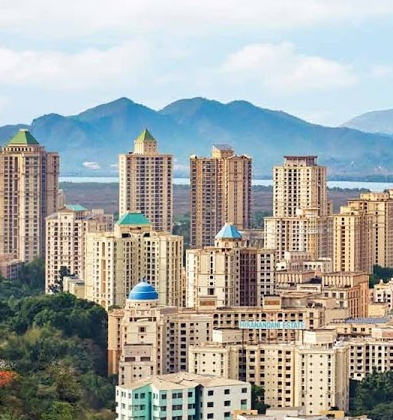
Thane city, one of Maharashtra's rapidly urbanizing centers with over 30 lakh residents, faces a multifaceted water crisis stemming from infrastructure limitations, population pressures, and management challenges. Despite the region's abundant water resources, the city experiences significant water shortages that force residents to rely on expensive tanker supplies and endure frequent water cuts.
The city currently receives approximately 485-585 million liters per day (MLD), but this supply is proving insufficient for its growing population. By 2030, Thane will require 600 million MLD to meet demand, representing a significant gap that municipal authorities are struggling to bridge.
Currently, only 5% of Thane’s treated used water is reused, but there is a roadmap for raising this to 20-27% of generated treated used water by 2035-2046. Greywater harvesting at the community scale fits directly into these plans as a bottom-up complement, particularly for non-potable uses like landscaping, cleaning, and construction.
How Greywater Harvesting Works
Greywater systems collect gently used water (excluding toilet waste) from households, treat it with filtration and low-energy processes, and repurpose it for non-potable applications including:
- Toilet flushing
- Gardening / irrigation
- Vehicle washing
- Cleaning common areas
- Firefighting and construction
Well-designed systems enable residential societies, commercial buildings, and even industrial units to safely recycle 50-80% of daily water consumption, reducing dependence on municipal supply. Because greywater harvesting is best implemented at the building or society level, it empowers local stakeholders to control water resources, fostering a culture of conservation and environmental responsibility. These initiatives complement municipal efforts and offer measurable impacts even when government-led actions face bureaucratic delays or resource constraints.
Benefits of Greywater Harvesting in Thane
- Alleviating Municipal Water Demand
By reusing household wastewater for secondary uses, societies can slash potable water demand by 30-50%. This reduction eases pressure on the overburdened city supply network, helping prevent water cuts and enabling equitable allocation across periurban communities. - Cost Savings for Residents
Societies implementing greywater reuse report significant reductions in reliance on expensive private tanker water. Recycled water often costs a fraction compared to municipal or tanker sources, resulting in collective savings for residents. - Environmental Impact
Greywater harvesting reduces freshwater extraction, lessens energy consumption for municipal water treatment and transport, and limits the discharge of untreated sewage into local water bodies. Well-run systems also support groundwater recharge, critical for Thane’s depleted water table.
Societies and developers can rally under a citizen-led “Blue Revolution” by committing to citywide greywater reuse, dualplumbing in all new builds, and rapid retrofits in existing housing. By forming ward-level consortiums to pool procurement for modular greywater plants, standardizing maintenance through resident-led water committees, and showcasing live dashboards of recycled volumes in society lobbies, the movement can turn conservation into civic pride and competitive benchmarking across neighborhoods. Aligning these bottom-up actions with Thane’s Treated Used Water Reuse Plan, developers can precertify “Blue Revolution Ready” projects, signaling a new Thane standard for resilient urban living that puts the city on India’s map for transformative, scalable water innovation.
~ Mr. Akshit Parmar
Director - Cosmos Skyline
Homes (Cosmos Group)
Source: Thane Realty News
To Know About Thane Real Estate Development Contact Us at 09833458323